Rhode Island Hockey Shooting: A Targeted Family Tragedy Rocks Pawtucket Community
The quiet atmosphere of a youth hockey game in Pawtucket, Rhode Island, was shattered on a Monday afternoon, transforming a community gathering into the scene of a devastating and targeted family tragedy. The incident, now widely known as the Rhode Island Hockey Shooting, unfolded at the Dennis M. Lynch Arena, leaving two people dead, three injured, and countless witnesses grappling with the horror of gun violence in a place meant for sport and camaraderie.
Authorities quickly identified the shooting as a premeditated act stemming from a family dispute, distinguishing it from random acts of violence. The deceased were identified as Rhonda Dorgan, the shooter's ex-wife, and Aidan Dorgan, their adult son. This deeply personal nature of the attack sent shockwaves through the local community and highlighted the insidious reach of domestic conflict into public spaces.
The Unfolding Tragedy at Dennis M. Lynch Arena
On Monday, February 16, a high school hockey game was underway, filled with the usual sounds of skates on ice and cheering fans. However, this normalcy was violently interrupted when 56-year-old Robert Dorgan, also known as Roberta Esposito, opened fire. Pawtucket Chief of Police Tina Goncalves confirmed that the attack was specifically targeted at family members present at the game. Rhonda Dorgan and Aidan Dorgan tragically lost their lives, while Rhonda’s parents and a family friend sustained injuries.
The sheer speed and brutality of the event left little time for anyone to react. The chaos was inadvertently captured by LiveBarn, a streaming platform for youth sporting events. Videos from the platform, later shared widely despite warnings from LiveBarn, depicted the terrifying scene: players diving for cover, frantically skating off the ice, and spectators scrambling for exits as popping sounds echoed through the arena. These harrowing images serve as a stark reminder of the vulnerability of public spaces to such acts of violence.
In the midst of this terror, Chief Goncalves credited an unnamed "good Samaritan" with intervening, helping to bring the attack to a swift end. While details of this heroic act remain undisclosed, the intervention underscores the potential for courageous action even in the face of extreme danger. The shooter ultimately died from an apparent self-inflicted gunshot wound, though investigations continue to piece together the full sequence of events. Nearly 100 witnesses were interviewed by investigators in the immediate aftermath, highlighting the widespread impact and numerous individuals present during the unfolding tragedy.
A Targeted Attack: Unraveling the Motive and the Shooter's Profile
The Pawtucket Police Department quickly confirmed that the shooting was not a random act but a targeted attack rooted in a family dispute. This revelation shifts the focus from general public safety concerns to the specific dangers posed by unresolved personal conflicts and domestic violence. Robert Dorgan, identified as the shooter, was an employee of General Dynamics Bath Iron Works, a prominent shipbuilding facility in Bath, Maine.
Insights from Dorgan's former colleagues paint a complex picture. Destiny Mackenzie, a co-worker, recalled frequent conversations about family, though Dorgan's ex-wife never came up. A hockey-playing son, however, was a frequent topic, adding another layer of sadness to the family's plight. Mackenzie described Dorgan, often called Roberta at work, as having a "bad temper" that sometimes led to "screaming matches" with colleagues. Another anonymous co-worker noted Dorgan's apparent internal conflict regarding transgender acceptance, oscillating between pride in transitioning and embarrassment, and mentioned Dorgan owned guns, though the quantity was unknown.
These details, while not providing a definitive motive, offer glimpses into the shooter's life and potential stressors. The intersection of personal struggles, temperamental issues, and access to firearms tragically culminated in this horrific event. Understanding these elements is crucial for authorities attempting to build a comprehensive profile and understand the path that led to such a devastating outcome for the Dorgan family and the wider community affected by the Pawtucket Arena Attack.
Community Impact and Broader Implications
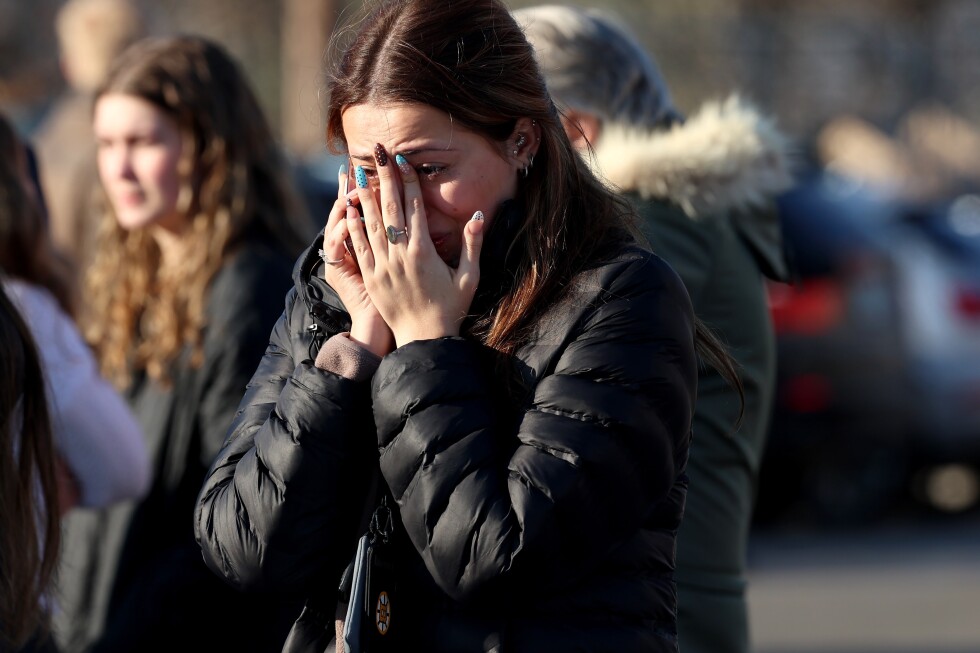
The Youth Hockey Shooting: Community Grapples with Pawtucket Tragedy encapsulates the profound sorrow and shock experienced by Pawtucket and beyond. Such an incident leaves indelible scars, particularly on the young athletes and families who witnessed the horror firsthand. The trauma experienced by those present—children diving for cover, parents shielding their kids, and the general fear of an active shooter—will undoubtedly resonate for years.
Beyond the immediate grief, this tragedy compels a broader societal reflection on several critical issues:
- Gun Violence: It reignites the ongoing national debate surrounding gun control and responsible firearm ownership, especially when personal conflicts escalate to such deadly proportions.
- Domestic Violence: The targeted nature of the attack underscores the devastating consequences of domestic disputes when they are not addressed or managed effectively. This incident serves as a grim reminder that domestic violence can spill into public spaces, endangering innocent bystanders.
- Mental Health: While no official diagnosis has been made public regarding the shooter's mental state, the reported complexities of their personal life and temperament often highlight the importance of mental health awareness, support, and intervention.
- Safety in Public Spaces: The incident at Dennis M. Lynch Arena raises questions about security protocols at sports venues and other public gathering places. While complete prevention of all attacks is challenging, communities often reassess entry points, surveillance, and emergency response plans in the wake of such events.
The community's resilience will be tested, but its capacity for support and healing will also come to the forefront. Grief counseling, community vigils, and ongoing support for the victims' families and witnesses will be vital in the long recovery process.
Protecting Our Public Spaces and Fostering Community Well-being
While the Rhode Island Hockey Shooting was a targeted act, it underscores the need for ongoing vigilance and proactive measures to enhance safety in public venues and within our communities. Moving forward, it's essential to consider strategies that can help prevent similar tragedies and support those impacted.
Enhanced Security Measures at Public Venues
For places like sports arenas, schools, and concert halls, a multi-layered approach to security can be beneficial:
- Visible Security Presence: Uniformed security personnel or off-duty police officers can act as deterrents and provide immediate response.
- Access Control: While youth sporting events often have open access, simple measures like monitoring entry points can be effective.
- Emergency Preparedness: Regular drills and clear communication protocols for active shooter situations ensure that staff and attendees know how to react.
- Surveillance Systems: Well-placed and monitored cameras can aid in identifying threats and assisting investigations.
Addressing Domestic Violence and Mental Health
Given the targeted nature of this tragedy, broader community efforts must focus on the root causes of violence:
- Awareness and Education: Promoting understanding of the signs of domestic violence and mental health crises can empower individuals to seek help or report concerns.
- Support Services: Ensuring accessible and well-funded resources for victims of domestic violence and individuals struggling with mental health issues is paramount. Hotlines, counseling, and safe shelters provide critical lifelines.
- Community Dialogue: Open conversations about conflict resolution, anger management, and the stigma surrounding mental illness can foster a more supportive and preventative environment.
Community Response and Healing
For those directly affected by the Rhode Island Hockey Shooting, and for the broader community, healing is a long process:
- Trauma-Informed Support: Providing specialized counseling for children and adults who witnessed the event is crucial.
- Community Gathering and Remembrance: Opportunities for collective grieving and memorializing the victims can help foster solidarity and support.
- Supporting Victims' Families: Practical and emotional support for the families of Rhonda and Aidan Dorgan, as well as the injured, is essential for their recovery.
By implementing these measures and fostering a culture of awareness and support, communities can strive to create safer environments and address the underlying issues that contribute to such devastating acts.
Conclusion
The Rhode Island Hockey Shooting at the Dennis M. Lynch Arena stands as a somber reminder of how quickly ordinary life can turn into tragedy, especially when targeted by personal grievances. The loss of Rhonda Dorgan and Aidan Dorgan, coupled with the injuries to others and the trauma inflicted on countless witnesses, leaves an indelible mark on the Pawtucket community. While investigations continue to fully uncover the shooter's motives and the events leading up to that fateful Monday, the incident unequivocally calls for a deeper reflection on domestic violence, mental health support, and the ongoing challenge of ensuring safety in our public spaces. As the community begins the long process of healing, it is imperative to strengthen support systems, promote awareness, and collectively work towards a future where such heartbreaking events become a rarity, not a recurring nightmare.