The Rhode Island Hockey Shooting: A Community Grapples with Tragedy
The vibrant world of youth hockey, often synonymous with community spirit, fierce competition, and developing young talent, was tragically marred by an unthinkable act of violence in Pawtucket, Rhode Island. On a Monday afternoon that should have been filled with cheers and the thrill of the game, the Dennis M. Lynch Arena became the scene of a targeted shooting that left two people dead and several injured, sending shockwaves far beyond the ice rink. This devastating
Rhode Island Hockey Shooting: Targeted Family Tragedy Unfolds has forced the Pawtucket community, and indeed the broader sports world, to confront the chilling reality of violence intruding upon seemingly safe public spaces.
The incident underscores the profound vulnerability of public gatherings and the devastating impact when personal disputes escalate into public tragedies. As investigations continue and the community begins the long process of healing, many are left grappling with the emotional aftermath and the critical need for increased awareness, support, and discussions surrounding safety in communal environments.
The Unfolding Tragedy at Dennis M. Lynch Arena
The serene atmosphere of a high school hockey game on a Monday afternoon was shattered by gunfire at the Dennis M. Lynch Arena, located just a few miles outside Providence. Pawtucket Chief of Police Tina Goncalves confirmed that the shooting was a targeted act stemming from a family dispute. The alleged perpetrator, 56-year-old Robert Dorgan—who also went by the name Roberta Esposito—opened fire, claiming the lives of their ex-wife, Rhonda Dorgan, and adult son, Aidan Dorgan.
In addition to the two fatalities, three other individuals sustained injuries, including the ex-wife's parents and a close family friend. The attack came to a swift end when the shooter reportedly died from an apparent self-inflicted gunshot wound. Police have acknowledged the brave intervention of an unnamed "good Samaritan" who played a crucial role in bringing the horrifying ordeal to a conclusion, though specific details of their actions have not been publicly disclosed. The rapid response from law enforcement and the swift, decisive action of the intervenor likely prevented further casualties, a testament to the community's resilience in the face of terror.
The entire horrifying sequence was partially captured on LiveBarn, a streaming platform commonly used for youth sporting events. Videos shared on social media, though later subject to warnings from LiveBarn regarding unauthorized distribution, depicted the immediate chaos: players on the ice frantically skating for safety, those on the benches diving for cover, and fans desperately fleeing their seats as popping sounds echoed through the arena. The vivid images captured by these recordings have undoubtedly compounded the trauma for witnesses and the wider community.
A Community in Shock: The Ripple Effect on Youth Sports
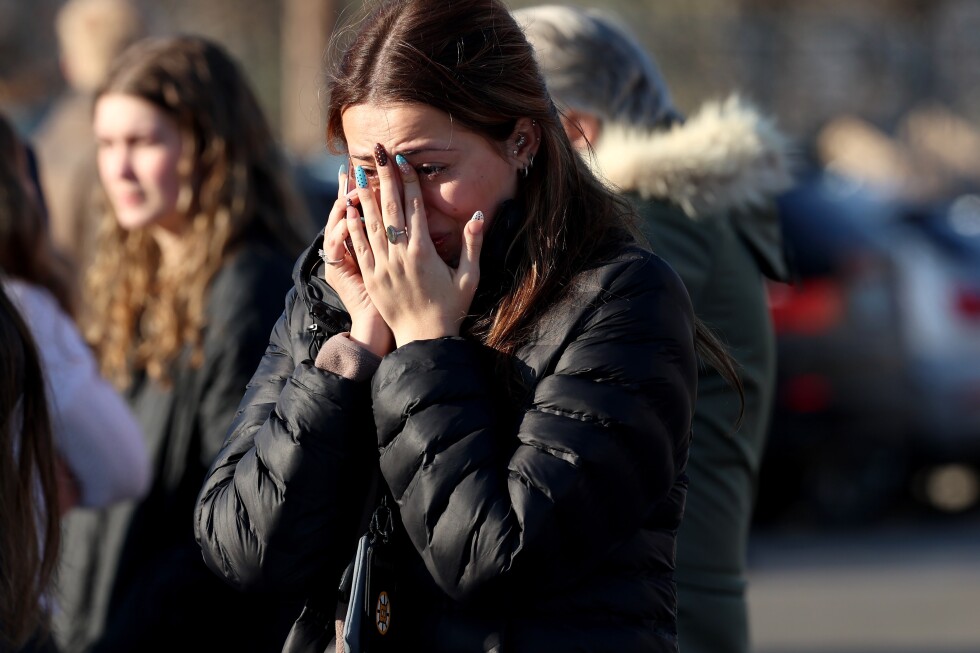
The Pawtucket tragedy left an indelible mark on the youth hockey community, particularly the young athletes, coaches, and families present that day. What was meant to be a competitive and joyous occasion, especially for seniors looking forward to playoff games, transformed into a scene of unimaginable terror. The psychological scars left on these individuals, especially the children who witnessed the event, are profound. The images and sounds of that day will likely resonate with them for a long time, altering their sense of security in public spaces.
The incident immediately sparked broader conversations about safety at youth sporting events. Parents, coaches, and league organizers across the nation are now re-evaluating security measures and discussing how to protect participants and spectators from such unforeseen acts of violence. The essence of youth sports—community, camaraderie, and the innocent pursuit of athleticism—feels violated.
For many involved in youth sports, these arenas are extensions of their homes, places where children grow, learn, and form lasting friendships. The Pawtucket incident forces a painful re-evaluation of how safe these cherished spaces truly are and what measures can be taken to restore that sense of security. The long-term impact on participation, the emotional well-being of the youth involved, and the trust placed in community venues will require sustained attention and support.
Behind the Incident: Understanding the Shooter's Background
As investigators pieced together the events of that fateful Monday, details began to emerge about the shooter, Robert Dorgan, who was also known as Roberta Esposito. At 56 years old, Dorgan was an employee of General Dynamics Bath Iron Works, a shipbuilding facility in Bath, Maine, which contracts with the U.S. Navy. While a spokesperson confirmed Dorgan's employment, specific details about their job title or tenure were not disclosed.
Insights from colleagues painted a complex picture. Destiny Mackenzie, a coworker, recalled Dorgan frequently discussing their hockey-playing son, though the ex-wife was never mentioned. Mackenzie also described Dorgan as having a "bad temper" that sometimes led to screaming matches at work. Another colleague, who wished to remain anonymous, noted Dorgan's apparent internal conflict regarding transgender acceptance, oscillating between pride in transitioning and embarrassment. This coworker also confirmed Dorgan owned guns but was unsure of the quantity.
The glimpse into Dorgan's life suggests a troubled individual whose personal struggles tragically spilled over into a public, devastating act. Understanding the complexities of the shooter's background, while not excusing the violence, is part of the difficult process of comprehending how such a targeted family dispute could escalate to this extreme. For a deeper look into the lives impacted, consider reading
Pawtucket Arena Attack: Shooter Kills Ex-Wife and Son.
The Complexity of Personal Lives and Public Violence
The Pawtucket tragedy serves as a stark reminder of how deeply personal conflicts can catastrophically intersect with public life. While the motives behind such an act are often multi-faceted and rooted in severe emotional distress, the incident undeniably highlights the challenges in identifying and addressing the warning signs of escalating family disputes or mental health crises before they erupt into violence. The privacy surrounding personal lives makes early intervention incredibly difficult, yet the consequences of inaction can be devastatingly public. This event compels communities to consider how they might foster environments where individuals feel safe to seek help and where support systems can effectively reach those in distress.
Moving Forward: Supporting the Community and Enhancing Safety
In the wake of the Rhode Island hockey shooting, the Pawtucket community faces a long and arduous path toward recovery. The immediate focus is on supporting those directly affected, but the tragedy also prompts essential discussions about prevention, mental health, and safety in public spaces.
Addressing Trauma and Grief
The psychological impact of witnessing such violence, particularly for children, cannot be overstated. It is crucial for families, schools, and community organizations to provide accessible mental health resources and support systems.
- For Parents and Coaches: Open, age-appropriate conversations are vital. Reassure children of their safety, acknowledge their feelings, and encourage them to express their fears or confusion. Maintain routines as much as possible to provide a sense of normalcy.
- Community Resources: Local mental health services, grief counselors, and trauma support groups can offer professional guidance and a safe space for healing. Schools should be equipped with counselors prepared to address collective trauma.
- Long-term Support: The effects of trauma can manifest over time. Continued vigilance and readily available support will be necessary for months, if not years, to come.
Re-evaluating Venue Security
While it's impossible to entirely eliminate risk in public venues, the Pawtucket shooting has reignited the conversation around enhancing security measures at community sports facilities. Striking a balance between creating welcoming, accessible environments and implementing effective security protocols is a complex challenge.
- Security Assessments: Venues may consider conducting thorough security assessments to identify vulnerabilities and implement appropriate measures, such as visible security presence, controlled entry points, or surveillance systems.
- Emergency Preparedness: Developing and regularly practicing emergency response plans for active shooter situations, including evacuation routes and shelter-in-place procedures, is critical for staff and regular attendees.
- Community Vigilance: Encouraging a "see something, say something" culture can empower individuals to report suspicious behavior, contributing to a collective sense of security. The intervention of the "good Samaritan" in Pawtucket highlights the invaluable role of immediate, brave action.
The Broader Conversation on Gun Violence
The tragedy also adds to the ongoing national dialogue about gun violence. As expressed by a colleague of the shooter, the incident underscores the sentiment that "the reality of our gun laws needs a major reconsideration and it [is] unfortunate guns land in the hands of such sick individuals." While policy changes are subjects of broader legislative debate, events like the Rhode Island hockey shooting serve as powerful and painful reminders of the urgent need for comprehensive approaches to prevent such violence. These approaches often involve addressing mental health, domestic violence, and responsible gun ownership.
Conclusion
The youth hockey shooting in Pawtucket, Rhode Island, stands as a stark and tragic reminder of how quickly peace can shatter into chaos. The community continues to mourn the senseless loss of life and grapple with the emotional fallout, especially for the young people whose innocent love for the game was forever altered. As Pawtucket embarks on its journey of healing, the lessons learned from this devastating event will undoubtedly shape future discussions around mental health support, venue security, and the broader societal challenge of preventing gun violence. It is a moment for reflection, for compassion, and for a renewed commitment to safeguarding our communities and ensuring that our public spaces remain havens for connection and joy, not sorrow.