Tragedy Strikes: Understanding the Pawtucket Arena Attack
The quiet atmosphere of a youth hockey game in Pawtucket, Rhode Island, was shattered by an unthinkable act of violence on a somber Monday afternoon. What was meant to be a moment of athletic competition and community gathering at the Dennis M. Lynch Arena quickly devolved into a scene of terror and heartbreak. This tragic event, now widely known as the Rhode Island Hockey Shooting, saw a lone individual open fire, resulting in the deaths of two people and injuries to three others, before the perpetrator ultimately died from an apparent self-inflicted gunshot wound. The incident sent shockwaves through the community and reignited urgent conversations about public safety and the devastating consequences of unchecked domestic disputes.
The Fatal Attack at Dennis M. Lynch Arena
On that fateful Monday, February 16, the Dennis M. Lynch Arena became the epicenter of a horrific family tragedy. Pawtucket Chief of Police Tina Goncalves confirmed that the shooting was a targeted attack, with the assailant identified as 56-year-old Robert Dorgan, also known as Roberta Esposito. The victims of this devastating act were Dorgan's ex-wife, Rhonda Dorgan, and their adult son, Aidan Dorgan. In addition to these fatalities, three other individuals sustained injuries, including the ex-wife's parents and a family friend, underscoring the intimate and targeted nature of the violence.
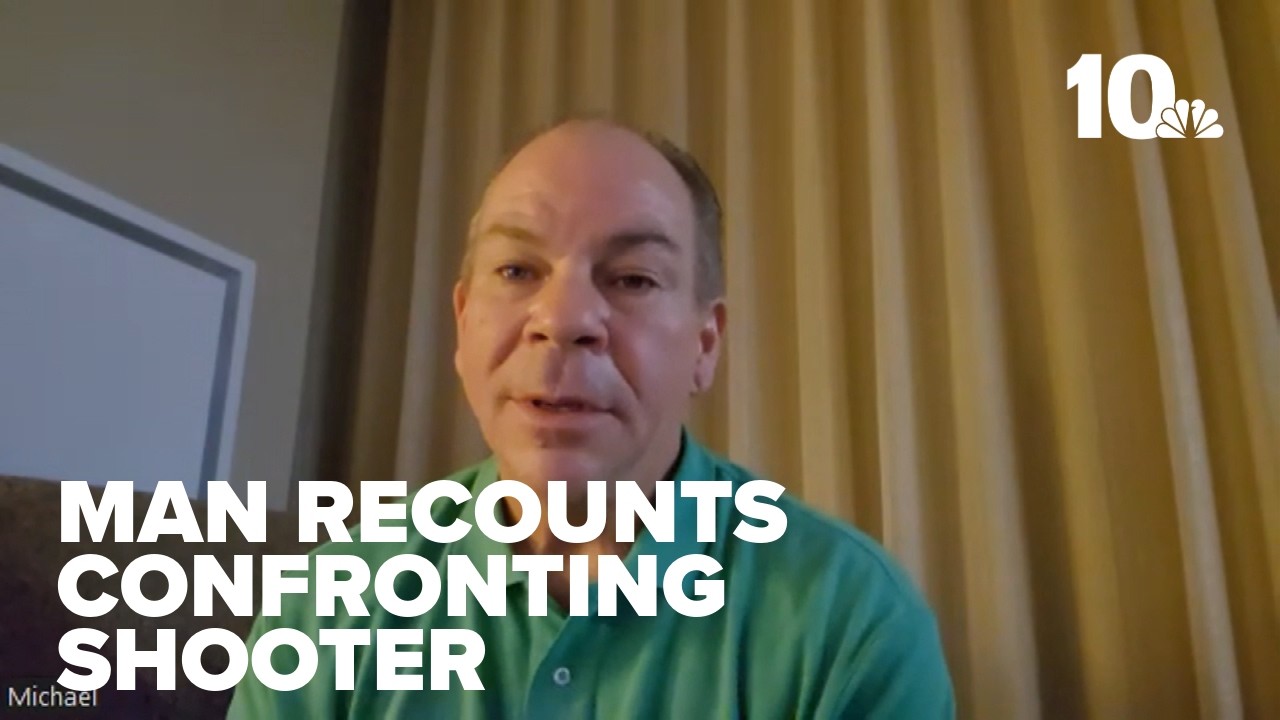
The rapid escalation of events was chilling. Police reported that Robert Dorgan died from what appeared to be a self-inflicted gunshot wound, bringing a swift and tragic end to the immediate threat. Chief Goncalves also acknowledged the crucial intervention of an unnamed "good Samaritan" whose actions were credited with helping to bring the attack to a swift conclusion, though specific details of their heroism remain undisclosed. This act of bravery amidst chaos highlights the spontaneous courage that can emerge even in the darkest moments.
The horrifying incident was partially captured on LiveBarn, a streaming platform commonly used for youth sporting events. Videos shared on social media depicted the chaotic scenes, with players diving for cover, frantically skating off the ice, and spectators fleeing their seats as popping sounds echoed through the arena. LiveBarn has since issued warnings regarding unauthorized sharing of this sensitive footage, emphasizing the need for respect for the victims and the privacy of those affected by the tragedy.
Unveiling the Background: A Targeted Family Dispute
Initial investigations quickly focused on the domestic nature of the shooting. Chief Goncalves stated that the attack appeared to be an outgrowth of a family dispute, with the suspect entering the arena specifically to watch a family member's hockey game before the violence erupted. This detail paints a grim picture of a personal conflict spilling over into a public space, transforming a community event into a crime scene.
Further insights into the shooter, Robert Dorgan, emerged from their professional life. Dorgan was employed at General Dynamics Bath Iron Works, a prominent shipbuilding facility in Bath, Maine, which contracts with the U.S. Navy. While the company confirmed Dorgan's employment, specific details about their role or tenure were not provided.
Accounts from former colleagues offered glimpses into Dorgan's personality and personal life. Destiny Mackenzie, a coworker, recalled Dorgan frequently discussing a hockey-playing son, though Dorgan's ex-wife never came up in conversation. Mackenzie also noted Dorgan's reputation for having a "bad temper," which sometimes manifested in heated exchanges with colleagues. Another coworker, who wished to remain anonymous, spoke of Dorgan's complex stance on transgender acceptance, sometimes expressing pride in transitioning and at other times appearing embarrassed. This coworker also confirmed Dorgan's ownership of guns, though the exact number was unknown. These details, while not directly explaining the motive, paint a picture of an individual grappling with internal conflicts, which tragically manifested in this violent outburst. For a deeper look into the family dynamics and the tragedy's unfolding, see our related article: Rhode Island Hockey Shooting: Targeted Family Tragedy Unfolds.
Community Impact and the Road to Healing
The Rhode Island Hockey Shooting left an indelible mark on Pawtucket and the wider community. Investigators spoke to nearly 100 witnesses in the immediate aftermath, a testament to the sheer number of lives touched by the event. The psychological toll on those present, particularly the children involved in the game and their families, is immense. Such traumatic experiences can lead to long-term emotional and psychological distress, requiring extensive support and healing resources.
The incident also shattered the sense of security typically associated with community sports venues. Youth sports arenas are often viewed as safe havens, places where children can play and families can gather without fear. The Pawtucket shooting served as a stark reminder that even these seemingly secure environments are vulnerable to external threats, particularly those stemming from personal disputes that escalate to violence. The collective grief and shock require a united community response, focusing on mental health support for victims, witnesses, and first responders alike. The community's journey through this difficult time is further explored in Youth Hockey Shooting: Community Grapples with Pawtucket Tragedy.
Reflecting on Safety and Prevention in Public Spaces
While no measure can entirely eliminate the risk of such acts, the Pawtucket tragedy prompts a critical re-evaluation of safety protocols in public venues. Arenas and similar facilities can consider:
- Enhanced Security Presence: Visible security personnel or off-duty police officers can serve as a deterrent and provide a rapid response in an emergency.
- Emergency Preparedness Plans: Regularly updated and practiced protocols for active shooter scenarios, including clear evacuation routes and designated safe zones.
- Staff Training: Equipping venue staff with training in de-escalation techniques, recognizing suspicious behavior, and emergency response procedures.
- Access Control: While challenging in open public spaces, controlled entry points or monitoring systems can help manage who enters a facility.
- Mental Health Awareness: Promoting resources for conflict resolution and mental health support within communities, recognizing that family disputes can have far-reaching and tragic consequences if left unaddressed.
These proactive steps, combined with ongoing community vigilance, are crucial in fostering environments where people feel safe to gather.
Conclusion
The Rhode Island Hockey Shooting at the Dennis M. Lynch Arena stands as a profound reminder of the devastating impact of gun violence, especially when fueled by personal conflicts. The loss of Rhonda Dorgan and Aidan Dorgan, along with the injuries sustained by others, is a tragedy that reverberates far beyond Pawtucket. As the community grapples with grief and seeks to understand the root causes of such violence, there is an undeniable call to action. This includes supporting those affected, strengthening community safety measures, and fostering environments where individuals feel empowered to seek help for personal struggles before they escalate into irreversible acts. The path to healing is long, but through remembrance, collective support, and a commitment to prevention, communities can work towards a future where such tragedies are prevented.